Capturing Childhood Wonder: The Hello First Grade Retro Style
There is a distinct warmth that washes over you when you see typography that mimics the clean, structured lines of early childhood education, yet carries the grit and texture of a vintage advertisement. It is a style that bridges the gap between nostalgia and professionalism, evoking memories of lined paper, chalkboards, and the excitement of a new school year. For designers and small business owners, tapping into this aesthetic isn't just about being cute; it is a strategic move to connect with audiences on an emotional level. The "Hello First Grade" back-to-school vibe, when rendered in a vintage retro style, creates an immediate sense of trust and familiarity. It suggests a foundation of learning, growth, and fundamental reliability, all wrapped up in a visually appealing package that stands out in a sea of sterile, modern minimalism.
The Anatomy of a Back-to-School Aesthetic
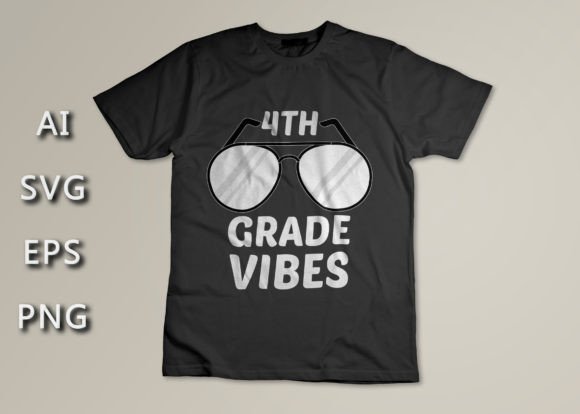
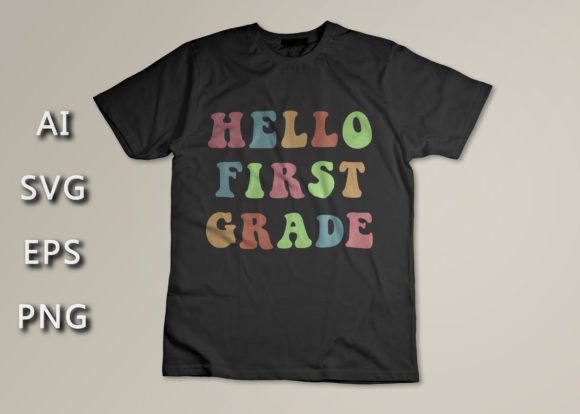
What defines the "Hello First Grade" visual identity? At its core, it is a premium font collection designed to mimic the optimistic energy of the 1950s and 60s school era. This isn't just a single typeface; it is a complete design asset ecosystem. When you download a resource like this, you are typically getting a versatile suite of formats—AI, EPS, SVG, and PNG files—that allow for total creative control. The appeal lies in the specific visual characteristics: slightly irregular baselines that mimic handwriting, thick and thin contrasts reminiscent of brush strokes, and a texture that suggests ink on paper rather than pixels on a screen.
Unlike a standard sans serif font that might feel cold or corporate, this style acts as a display font that demands attention. It is perfect for headers, logos, and call-to-action buttons where you need personality to shine through. However, the versatility of modern retro collections often includes sans serif and serif companions. This means you can pair the whimsical, handwritten "Hello First Grade" script with a clean, legible sans serif for body text, ensuring your marketing materials remain readable while maintaining that cohesive vintage charm.
Practical Applications for Modern Creators
Understanding the aesthetic is one thing; applying it effectively is another. For the creative entrepreneur or content creator, the applications for this specific retro style are vast. Because the file formats are editable, you have the freedom to integrate this typography into virtually any medium.
Consider the following scenarios where this style elevates a project:
- Brand Identity & Logo Design: If you are launching a stationery line, a tutoring service, or a children’s clothing brand, this font style serves as the cornerstone of your logo. It immediately communicates your niche without needing lengthy explanations.
- Packaging Design: For small businesses selling homemade goods, artisanal snacks, or school supplies, the vintage retro look on packaging suggests quality and care. It stands out on shelves because it feels curated rather than mass-produced.
- Social Media Graphics: In the fast-scrolling world of Instagram and Pinterest, nostalgia stops the thumb. Using this style for quote graphics, sale announcements, or story headers adds a layer of professional polish that generic templates lack.
- Merchandise and Printables: The "ready for printing" nature of these assets makes them ideal for T-shirts, tote bags, and digital planners. The retro texture ensures the design looks authentic even when printed on various substrates.
Design Strategy: Pairing and Readability
One of the most common pitfalls in design is sacrificing readability for style. While a decorative, retro-inspired typeface is excellent for capturing attention, it can become overwhelming if used for long paragraphs. This is where the concept of font pairing becomes essential. Think of the "Hello First Grade" style as your headline act—the bold, charismatic performer that draws the crowd. You need a supporting cast—a reliable, legible body font—to handle the heavy lifting of information.
If your primary display font has a lot of texture and character, pair it with a geometric sans serif. The clean lines of the sans serif will provide a visual resting place for the eye, allowing the decorative elements to pop without causing fatigue. For example, a bold, retro slab serif pairs beautifully with a light, airy sans serif for wedding invitations or editorial layouts. Always test your pairings at different sizes; what looks charming on a poster might become illegible on a mobile screen if the x-height is too low or the kerning is too tight.
Customization: Making the Asset Your Own
A major advantage of high-quality digital design assets is the ability to customize. When a product offers AI, EPS, and SVG formats, it hands the creative control back to the designer. You are not locked into the default color palette or texture.
Imagine you are designing a flyer for a school fundraiser. The vintage retro style is perfect for the theme, but the default sepia tones might not match the school’s specific colors. Because the files are vector-based, you can easily adjust the hue to match a vibrant red or a deep navy blue. You can also manipulate the elements—perhaps removing a background texture to overlay the text onto a photograph, or scaling the design up for a large-format banner without losing resolution. This flexibility ensures that the typography serves your brand identity, rather than forcing your brand to conform to the asset.
The Business Case for Vintage Typography
From a marketing perspective, choosing a "Hello First Grade" retro style is a psychological play. Retro design taps into "nostalgia marketing," a powerful tool that leverages positive memories to build brand affinity. For an audience aged 20 to 50, this specific aesthetic triggers memories of their own schooling or their children’s milestones, creating an instant emotional bond.
Furthermore, this style helps in establishing visual consistency. When you use a cohesive set of design assets across your website, social media, and physical products, you build brand recognition. Customers begin to associate that specific visual tone with your business. Whether they are looking at a digital product download or a physical invitation, the consistent use of this vintage typography signals that the content comes from a single, trusted source.
Ultimately, the goal of any design element is to facilitate communication. The "Hello First Grade" back-to-school retro style does this by being approachable, engaging, and distinct. It transforms a simple message into a visual story, inviting your audience to lean in and pay attention. By leveraging the editable formats and focusing on strategic pairing, you can turn a simple font download into a powerful engine for your creative or commercial projects.