FinDash: A Modern Finance Transaction Dashboard for Digital Banking
Imagine trying to manage your personal finances using a spreadsheet from the 1990s. The columns are cramped, the colors are jarring, and finding a specific transaction feels like searching for a needle in a haystack. Now, picture a sleek, modern interface where your financial data flows intuitively, key metrics are highlighted with clear typography, and every interaction feels responsive and intentional. This shift from chaos to clarity is precisely what a well-designed finance transaction dashboard template aims to achieve. For designers and developers building tools for digital banking, expense tracking, or fintech platforms, starting with a solid visual foundation can mean the difference between a functional tool and one that users genuinely enjoy interacting with.
More Than Just Charts: The Anatomy of a Usable Financial Interface
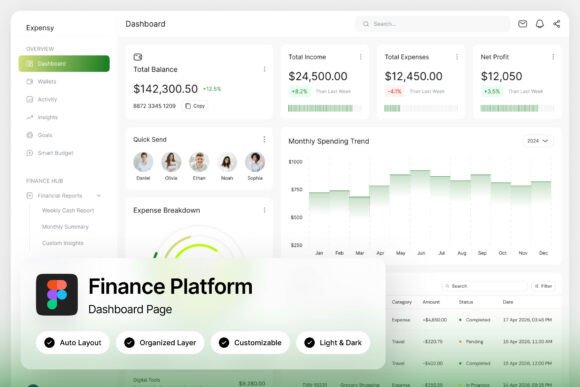
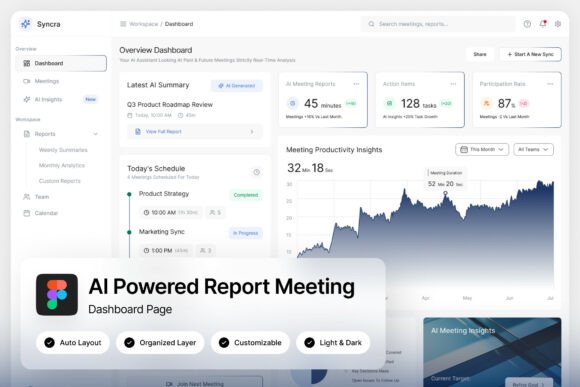
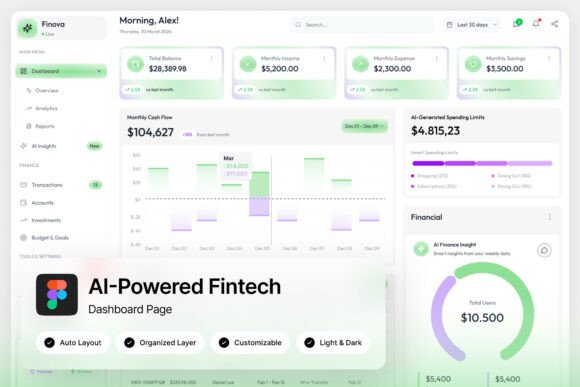
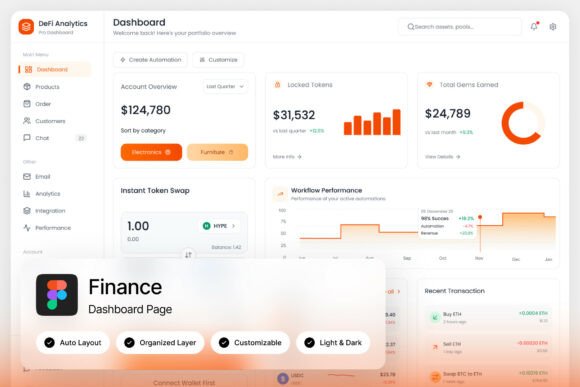
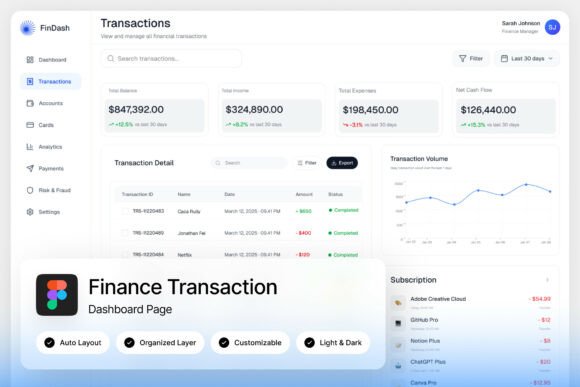
The FinDash Finance Transaction Dashboard template isn't merely a collection of pretty screens. It's a thoughtfully constructed system designed for real-world application. At its core, it addresses a fundamental challenge in financial UI: presenting complex, often dense data in a way that is immediately understandable. The template includes two high-resolution admin dashboard screens (1440×1024 px), providing a comprehensive view of what a complete transaction management system could look like. What makes it visually appealing is its adherence to modern design principles—clean lines, ample white space, and a balanced use of color to denote status and importance without overwhelming the user.
Consider the typography choices embedded in the design. The use of Google Fonts ensures easy implementation and a wide range of stylistic options, from crisp sans-serifs for data labels to more distinctive typefaces for headings. This attention to typographic hierarchy is crucial. In a financial context, readability is paramount. Users need to scan balances, transaction histories, and analytical charts quickly. The template’s pixel-perfect layout ensures that every element aligns precisely, reducing cognitive load and making the interface feel professional and trustworthy—a key component for any brand identity in the financial sector.
Practical Applications: From Prototype to Polished Product
For a small business owner developing an internal expense management tool, or a startup founder prototyping a new banking app, this template serves as an invaluable design asset. It drastically reduces the time spent on initial UI scaffolding. Instead of starting from a blank canvas, you begin with a professionally designed framework. The fully customizable layers in the Figma file (.fig) allow you to adapt the color scheme to match your brand identity, swap out fonts to reflect your brand’s voice, and rearrange components to fit your specific workflow.
Beyond digital products, the principles showcased in FinDash have broader applications. The clean, data-driven aesthetic can inspire marketing assets for a fintech company—think annual report infographics, investor pitch decks, or social media graphics that communicate growth and stability. The structured layout of transaction lists and analytical charts can even inform the design of editorial layouts in business publications or packaging design for financial planning software, where clarity and authority are visual must-haves.
Building Visual Consistency and User Trust
A cohesive visual language does more than just look good; it builds trust. When every button, icon, and piece of text in an application follows a consistent design system, users feel more confident navigating it. This is where the well-organized, named, and grouped layers of the FinDash template become a practical advantage. Designers can easily locate and modify elements, ensuring that consistency is maintained as the project evolves.
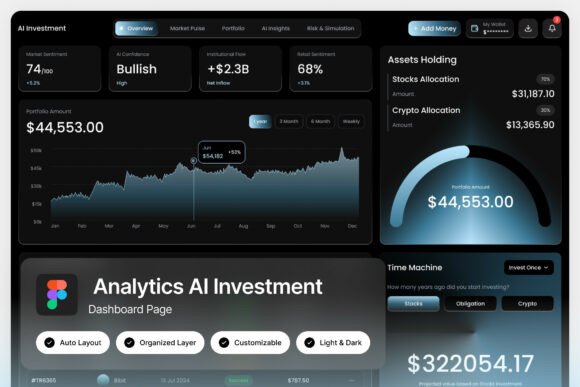
The inclusion of both light and dark mode interfaces is another thoughtful touch. It’s not just a trendy feature; it’s a usability consideration. Dark mode can reduce eye strain in low-light environments and is often preferred by users for extended sessions, which is common in financial analysis. Offering this choice demonstrates an understanding of user context and preferences, enhancing the overall professional presentation of your final product.
A Strategic Starting Point, Not a Final Destination
It’s important to view a template like FinDash as a sophisticated starting point. Its value lies in providing a proven, modern typography and layout foundation that you can build upon. The real work of customization—tailoring the interactions, refining the data visualizations to your specific dataset, and integrating it with your backend systems—is where your unique product vision comes to life. The help guide (.pdf) included in the ZIP file can accelerate this process, offering insights into the template’s structure and best practices for modification.
For content creators and marketers in the fintech space, studying this template offers lessons in effective visual communication. How are key metrics highlighted? How is negative data (like a high expense month) presented without causing panic? How does the layout guide the eye from a summary view to detailed transaction lists? These are design decisions that directly impact user engagement and comprehension. Applying these lessons to your own web design, blog layouts, or even print materials like whitepapers can elevate the perceived quality and clarity of your financial content.
Ultimately, a resource like the FinDash Finance Transaction Dashboard template is about empowering creators with efficient, high-quality tools. It acknowledges that in the fast-paced world of digital finance, speed to market and visual polish are critical. By providing a customizable, pixel-perfect